

One station, different messages for different neighborhoods
In the United States, Hot AC station 104.5 WXLO, owned by Cumulus Media and licensed to Fitchburg and Worcester, Massachusetts, wants to grow its sales in the neighboring Boston market. To do so, it will fit its three local repeaters, known as boosters, with Aktira's ZoneCasting technology early next year.
Each booster serves a different part of the metro area. WXLO-1 covers the city of Boston, WXLO-2 targets suburbs such as Burlington and Lexington, while WXLO-3 reaches part of the city along with Brookline, Newton, Somerville and Waltham. With ZoneCasting, the station will be able to send different content to each of these zones.
Three minutes an hour unique to each zone
The rollout relies on recently adopted US rules on FM booster localization. They allow up to three minutes per hour of programming unique to each booster. The rest of the time, the station's output remains the same across its whole coverage area.
Those few minutes matter above all for advertising. A shop in Newton does not necessarily want to pay to reach listeners in downtown Boston, and vice versa. By splitting its signal, the station can offer airtime to neighborhood advertisers who would never have bought a campaign across the entire market.
Connected-car data as a compass
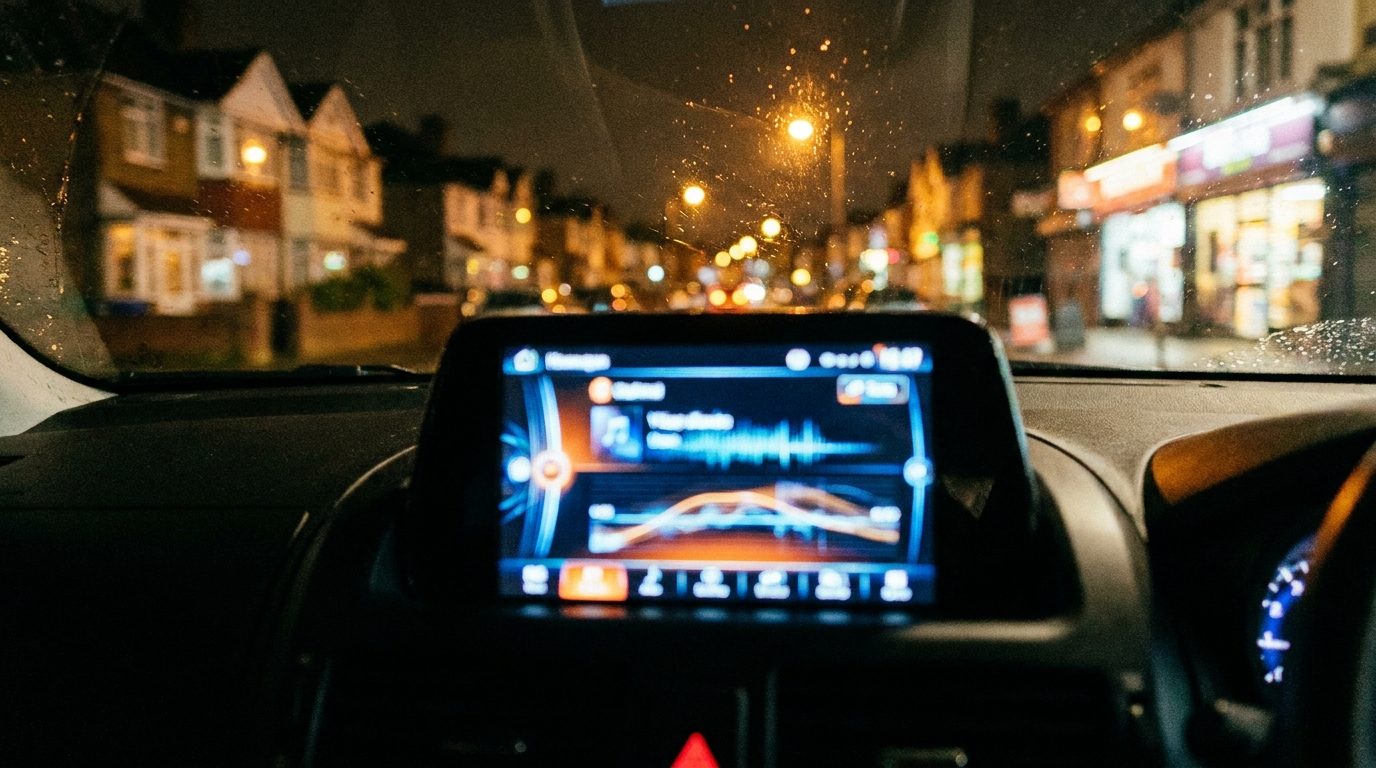
The other pillar of the setup is measurement. Cumulus is pairing ZoneCasting with Xperi's DTS AutoStage platform, which reports daily radio listening data from more than 90,000 connected vehicles in the Boston area. According to Bob Goodell, Cumulus VP and market manager, this data provides a near-real-time view of where in-car listening happens, and ZoneCasting then makes it possible to deliver selected messages there. The pitch to advertisers: target where people listen, not just where they live.
Chris Devine, CEO of GeoBroadcast Solutions, sees it as a glimpse of tomorrow's local radio, one that keeps the broad reach of FM while serving the distinct communities of a large market more precisely.
What it means for online radio stations
For an online radio publisher, this project sounds familiar. What American FM achieves through extra transmitters and regulatory change, streaming already allows by design: every listener receives their own stream, and an ad insertion server can tailor spots to the listener's area, device or time of day.
- A sales argument worth highlighting: if FM itself is moving to geographic targeting, it is because local advertisers want it. Online stations can present this capability as a real selling point.
- Measurement makes the difference: Cumulus relies on detailed listening data to win clients over. An online station has accurate connection statistics; it still needs to present them clearly to its partners.
- Local remains a strong asset: even a large group wants to speak to specific neighborhoods. A community online station that knows its area has a card to play.
- Keep privacy simple: in Europe, targeting relies on data covered by the GDPR. Targeting by broad area, without individual profiling, remains the safest route.
This experiment reflects a broader trend: broadcast radio is borrowing targeting and measurement tools from digital. Online stations therefore have every reason to make full use of features they already have.
Source: RadioInsight