
Results that reach far beyond the airwaves
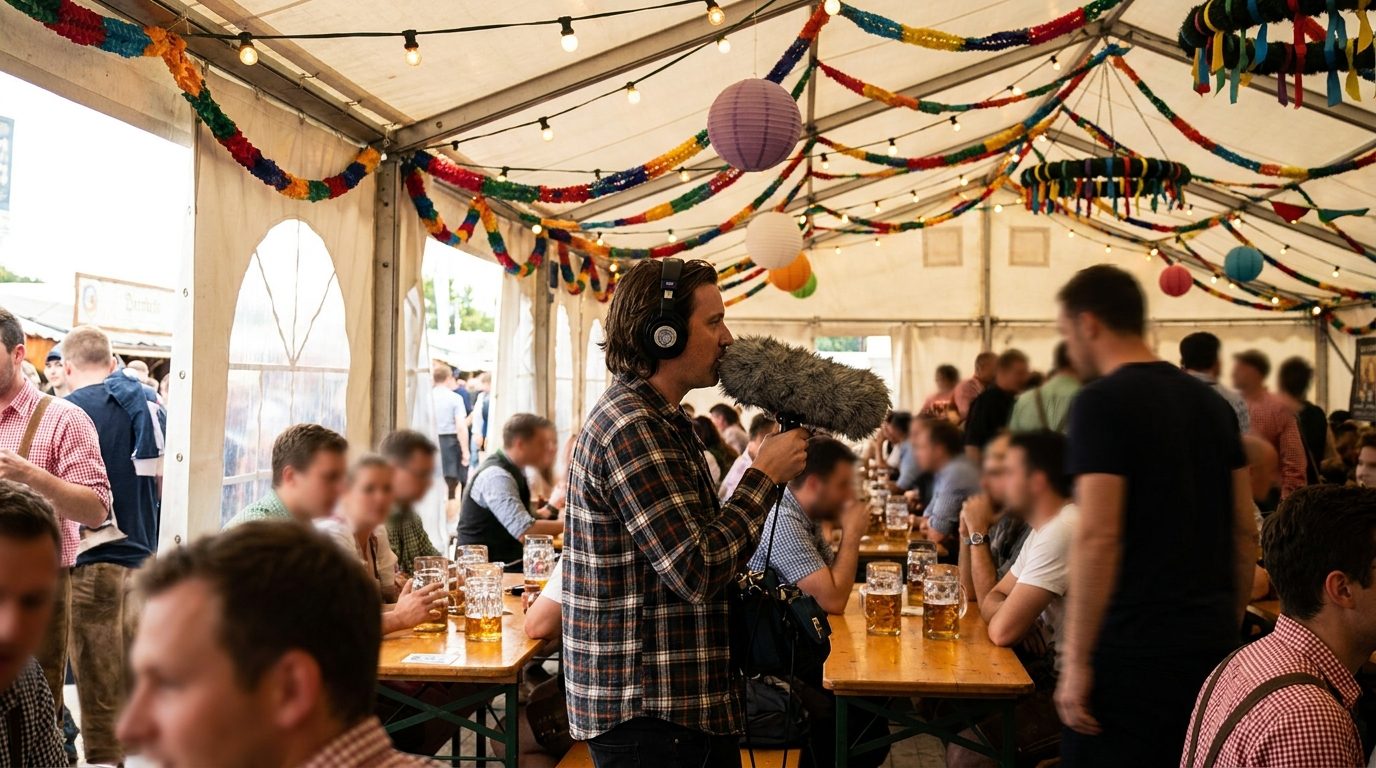
Munich radio station 95.5 Charivari reviewed its presence at Oktoberfest 2026 in early October, and the numbers speak for themselves: 19.2 million views on Instagram in 30 days, averaging around 100,000 views per episode. According to the press release reported by RADIOSZENE, this was no accident. The concept was designed from the start to move between three spaces: the radio programme, the festival tent and social media.
A daily challenge as the common thread
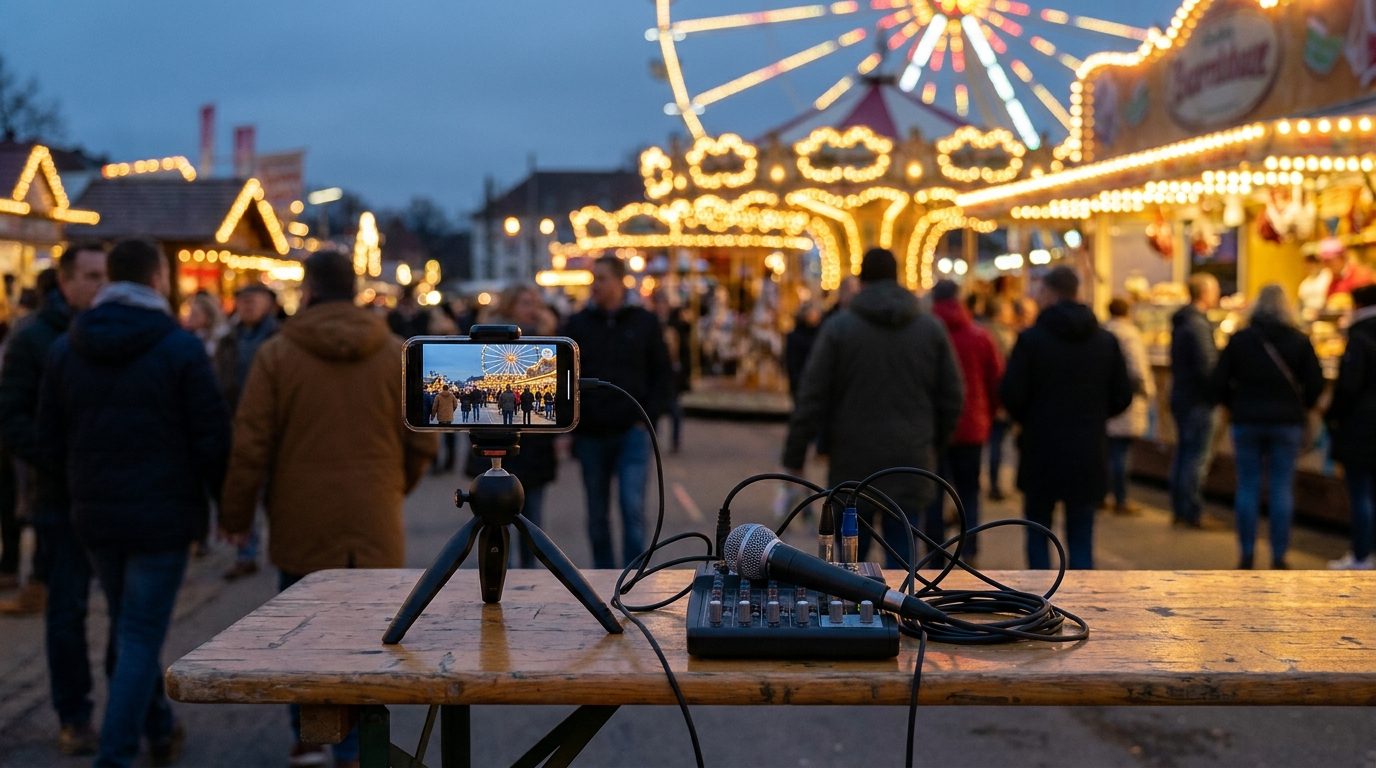
Instead of traditional coverage of the festival, the station came up with the "Wiesn-Crashout", a challenge set every day on the Oktoberfest grounds. "We wanted to move away from classic reporting," explains programme director Heiko Seeringer. Host and influencer Thommy Berglmeir gave the on-site team a task each day, or had to complete one himself. The loser had to ride the Skyfall attraction blindfolded.
Each episode worked on several levels. The radio announced it and followed it, the crowd in the tent experienced it live, and the video then carried the story on to Instagram, TikTok and other platforms. A few examples:
- morning host Lucas Dombo had to be the first one into the Bräurosl tent during the morning rush;
- on stage, in front of a packed tent, he asked Pia Wörz to become his new co-host on the morning show, and she said yes;
- Thommy Berglmeir had to tap a beer barrel left-handed in front of 8,000 Bräurosl guests.
The content that travelled furthest
The most-watched episode came from reporter Jelena, whose mission was to clink glasses with as many celebrities as possible: her clip with comedian and presenter Oliver Pocher went viral with 362,000 views. She also got laughs beyond the station's own channels, with a staged live interview on MÜNCHEN TV in which her answers were fed to her through an earpiece, with everyone in on the joke except her. As every year, however, the most-viewed reel was Arnold Schwarzenegger's visit, with 1.7 million views.
The operation relied on a partnership with the Pschorr Bräurosl tent, which served as stage, studio and meeting point. For sales manager Eva Reiß, advertisers no longer simply buy a spot: they become part of content that is heard, seen and shared.
What it means for online radio stations
An online radio station does not have the resources of a major Munich broadcaster, but the mechanics can be scaled down. The main lesson: a simple, playful, recurring feature, designed from day one for both audio and vertical video, generates far more reach than linear reporting. A few ideas:
- team up with a local event (festival, trade fair, street party) that provides the venue, the audience and the setting;
- create a short, repeatable format with a clear rule and a small, funny forfeit;
- film whatever happens on air as a matter of routine and adapt it for social media;
- offer partners integration into the content rather than a simple advert.
As the station sums it up, radio becomes the starting point of a story that is experienced on site and continues on the smartphone.
Source: RADIOSZENE