
An audio platform for 4.8 million pupils
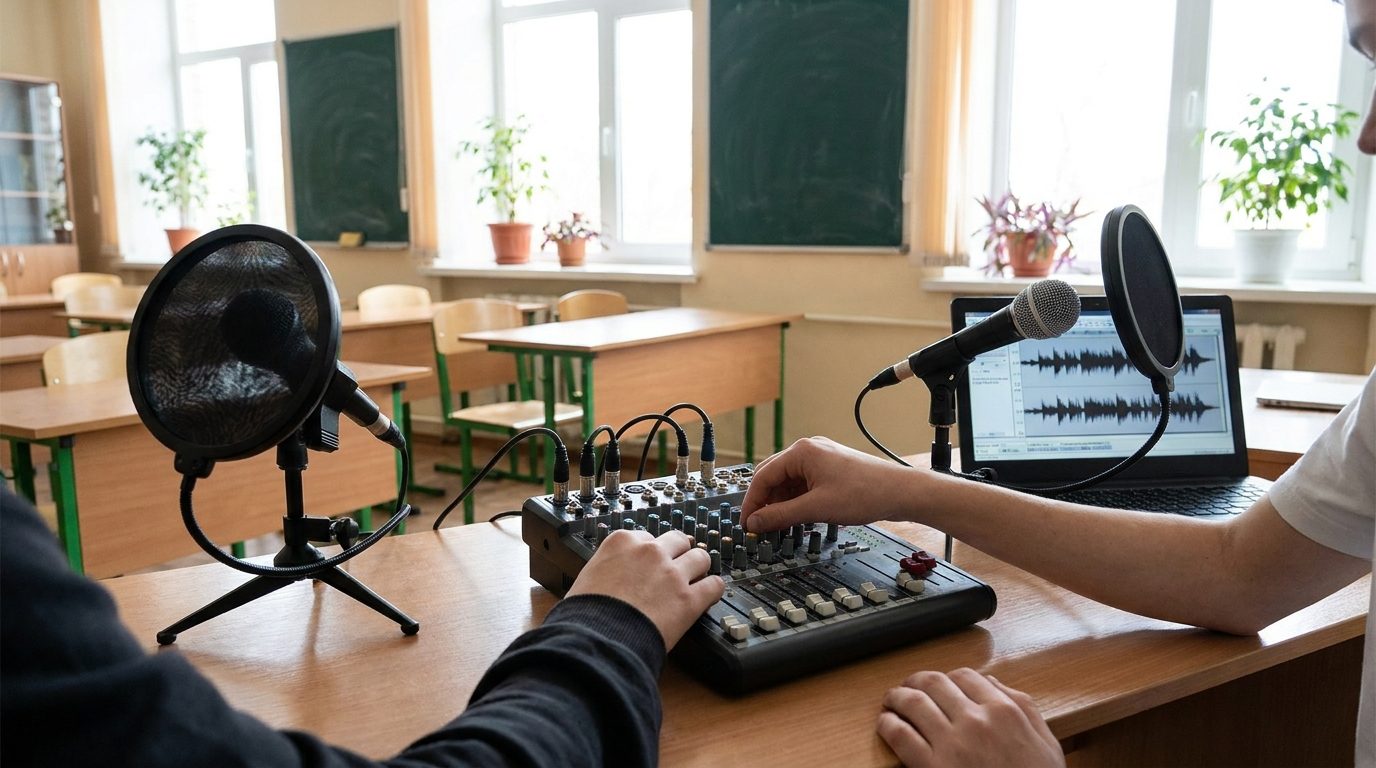
Web radio is gaining further ground in French schools. According to La Lettre Pro, the RadioEducation.org platform, which runs on technology from the company Saooti, is now available in 13 académies (regional education authorities) of France's national education system, representing a potential 4.8 million pupils. The tool brings together a virtual studio, podcast production features and a web radio in a single place.
For the education authorities, the benefit is a shared, hosted and maintained service, rather than leaving each middle or high school to build its own broadcasting solution. Teachers get a ready-to-use environment to run audio projects with their classes.
Produce, record and broadcast in one place
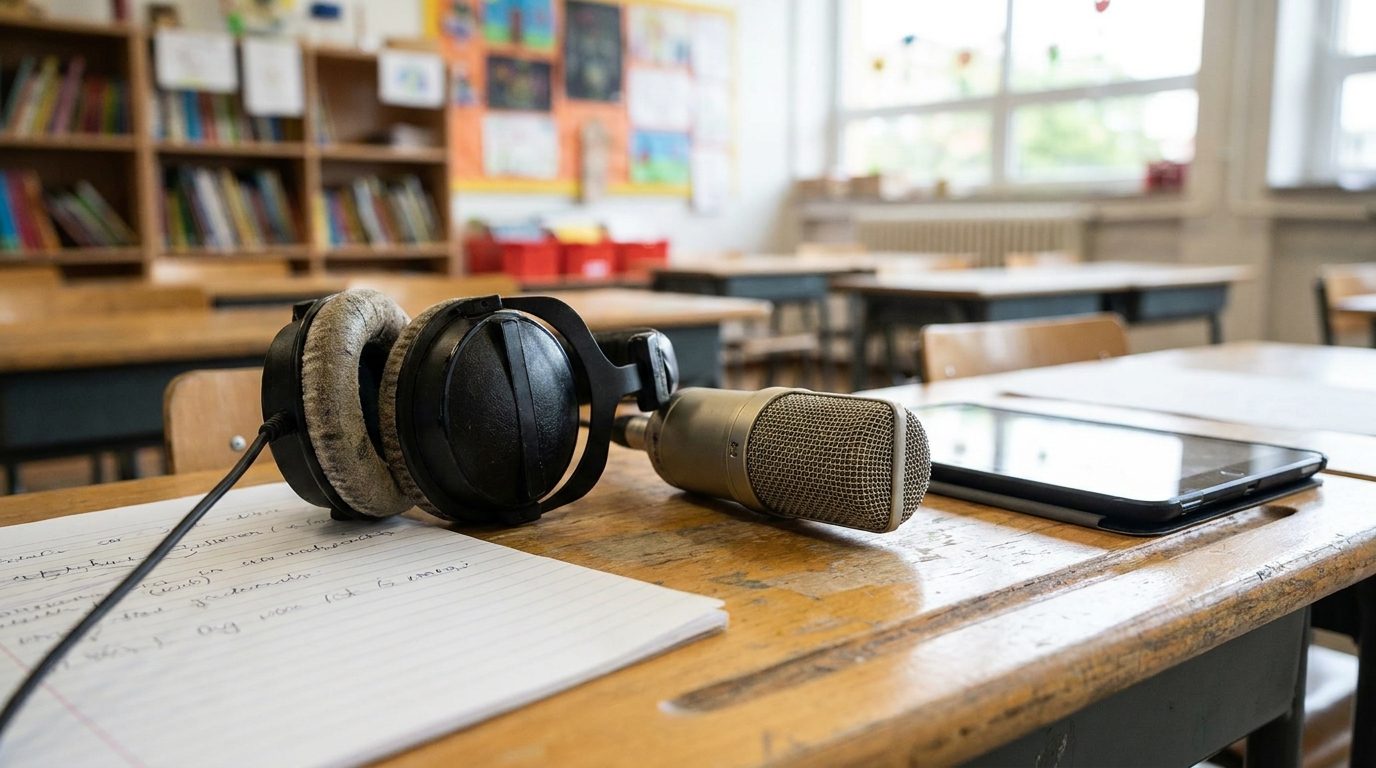
According to its distributor LDE, RadioEducation.org is built around three uses. The first is podcasting: create a show, upload a file, enrich the episode and publish it. The second goes through the virtual studio, which allows recording or live broadcasting with jingles, media and remote participants. The third is a real on-air channel: a web radio stream shared between schools, with a programme schedule and scheduled content to keep the stream running all day.
The service also has local versions. In the Val-d'Oise department, the local council and the Versailles education authority launched radio.moncollege95.fr, which gathers the shows and podcasts made by middle schools, sorted by school and by theme. Teachers can host their pupils' productions there and create shows in class using the virtual studio linked to the regional service.
A generation trained in web radio
The main goal is educational: research, writing, public speaking, organisation and teamwork. The project also highlights media literacy, teaching pupils to tell facts from opinions and to develop critical thinking. But the side effect matters to the whole online radio ecosystem: pupils are learning to handle a schedule, sound branding and live internet broadcasting.
- They discover radio through streaming and podcasts, even before FM.
- They get used to continuous programming, a hallmark of web radio.
- They form a pool of future presenters, technicians and audio creators.
What it means for web radio stations
For independent broadcasters, this rollout confirms that web radio has become a format recognised by institutions, to the point of being equipped across entire education regions. Several opportunities open up: partnerships with local schools, occasional broadcasts of pupils' productions, introductory workshops, or featuring these projects in local programming.
It is also a reminder that virtual studios, remote live broadcasting and automated scheduling are now within reach of non-professionals. The difference between an occasional web radio and a structured station will increasingly come down to a consistent schedule, editorial quality and the ability to build a loyal audience. School web radios, for their part, are joining the landscape of streams available online and could find a place in specialised directories, alongside community and themed stations.
Source : La Lettre Pro