
The BBC is to close BBC Radio 4 Extra. The announcement is part of the UK public broadcaster's savings plan, which must find £500 million over two years and foresees cutting between 1,800 and 2,000 jobs. The station will go off air, but some of its programmes will remain available on the BBC Sounds app. At the same time, the BBC Three and BBC Scotland television channels will become online-only services.
A station built on the catalogue
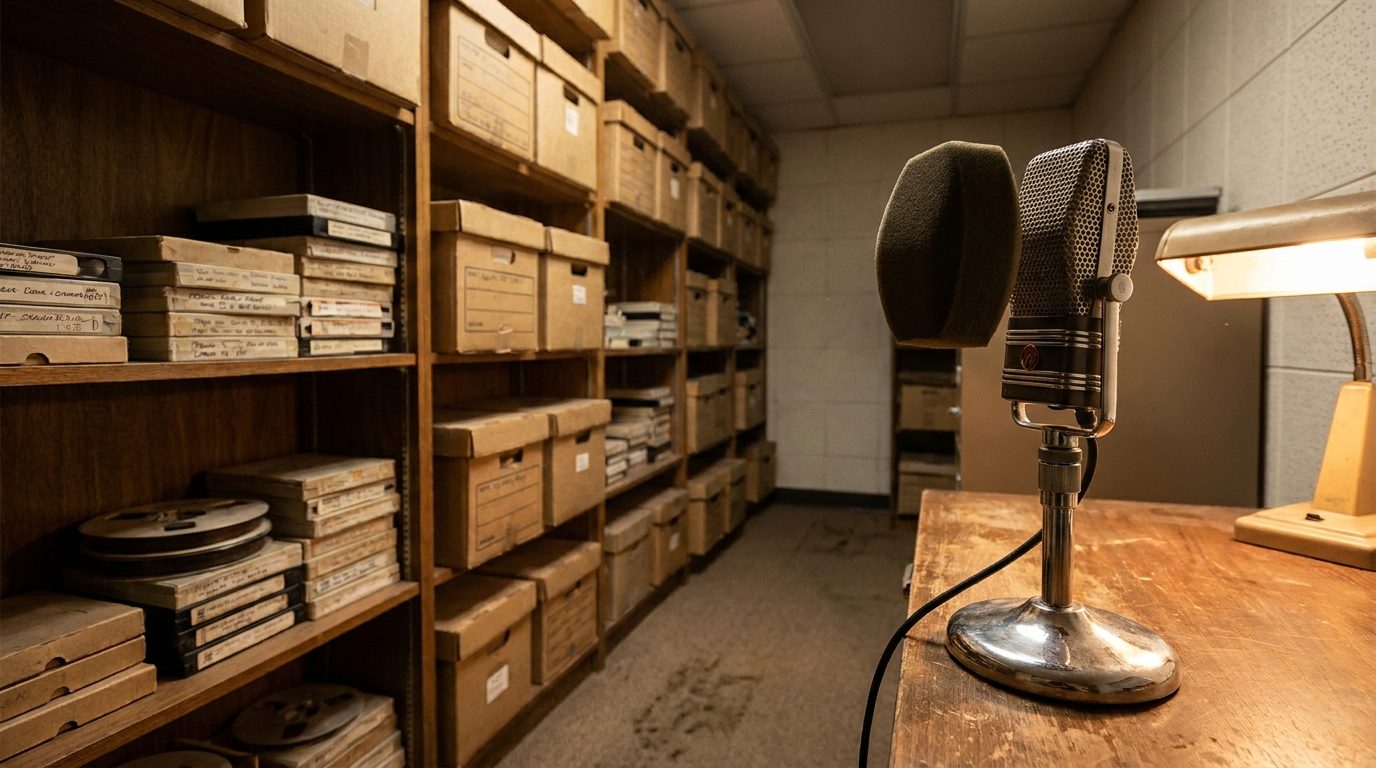
Radio 4 Extra is above all an archive station. It repeats comedy, drama and documentaries from BBC Radio 4, some of them several years old. Its case illustrates a long-running debate: does a linear stream of repeats still have a place when the whole catalogue is available on demand? For director-general Matt Brittin, much of this content will remain where audiences already enjoy it, on iPlayer and Sounds.
One programme sums up what is at stake: the Daily Service, a religious service broadcast by the BBC since 1928. Moved to long wave in 1991, it joined Radio 4 Extra in 2024 when the separate long-wave schedule ended. It will now be offered on BBC Sounds and on BBC Local Radio.

A disputed saving
In his newsletter, consultant James Cridland questions the financial logic. The station runs on infrastructure the BBC already owns: its own DAB multiplex, its satellite capacity and its streaming. Links between programmes are pre-recorded by existing staff. In his view, the closure saves almost nothing. A Radio Times writer even called it a terrible mistake and stressed the value of linear radio.
Commercial station Boom Radio seized the moment: it says it would like to take over, at the market price, the DAB capacity freed up by Radio 4 Extra.
Another notable change: for the first time in its history, the BBC World Service radio newsroom in London will stop running 24 hours a day. Overnight bulletins, also carried by Radio 2, Radio 4, 5 Live and local radio, will come from a new newsroom in Sydney, Australia.
What it means for web radios
The decision sends a mixed signal to online broadcasters. On one hand, a major public broadcaster judges that a catalogue can live on demand, without a continuous stream. On the other, critics point out that a well-programmed linear channel offers something an app does not: effortless listening, with no need to choose.
For a web radio, there are several lessons:
- Themed streams keep an audience: listeners attached to a drama or archive station are about to lose their daily habit. Curated niche programming meets that need at a modest online distribution cost.
- Repeats have value: a well-organised back catalogue of shows can feed a second streaming channel alongside podcasts.
- Linear and on-demand complement each other: offering both live and catch-up, rather than one instead of the other, reaches both listening habits.
A trend to watch
The closure of Radio 4 Extra adds to other shutdowns of themed stations in Europe. When big broadcasters withdraw from certain niches for budget reasons, they leave listeners without a service. Agile web radios, able to launch a specialised stream quickly and cheaply, are well placed to welcome them, provided they are easy to find in directories, apps and smart speakers.
Source: Radioszene