
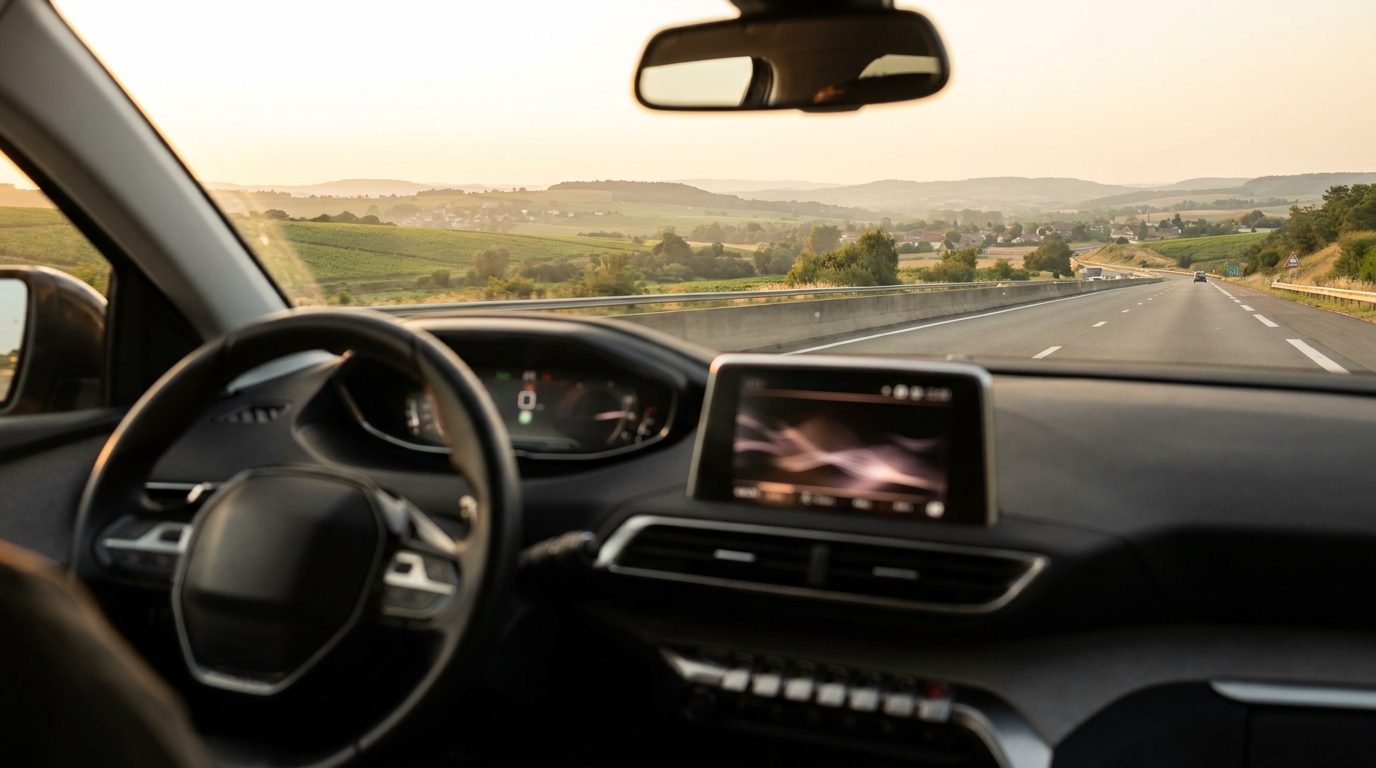
France's DAB+ network keeps growing. On Tuesday 27 October 2026, broadcast operator TDF switched on twenty-two new transmitters spread across eighteen sites in mainland France. They carry the two national multiplexes, M1 and M2, which group the country's national stations on digital terrestrial radio. The aim is twofold: better coverage along major roads and improved reception in several mid-sized towns that were previously less well served.
Motorways come first
This wave is aimed above all at drivers. TDF lists the roads where coverage improves:
- A75, with Sévérac-le-Château (Aveyron) and Massiac (Cantal);
- A88, with Falaise-Villers (Calvados);
- A77 and A19, with Montargis-Amilly and Lorraine, Gien-Arrabloy (Loiret) and Pouilly-sur-Loire (Nièvre);
- A64, with Lannemezan-Peyrehitt (Hautes-Pyrénées);
- A20, with Razès Les Prades (Haute-Vienne);
- A28, with Alençon-St Germain (Orne);
- A85, with Huismes (Indre-et-Loire).
For listeners behind the wheel, it comes down to one word: continuity. Fewer dropouts, fewer switches back to FM and stable digital sound on long journeys.
Six regions better served
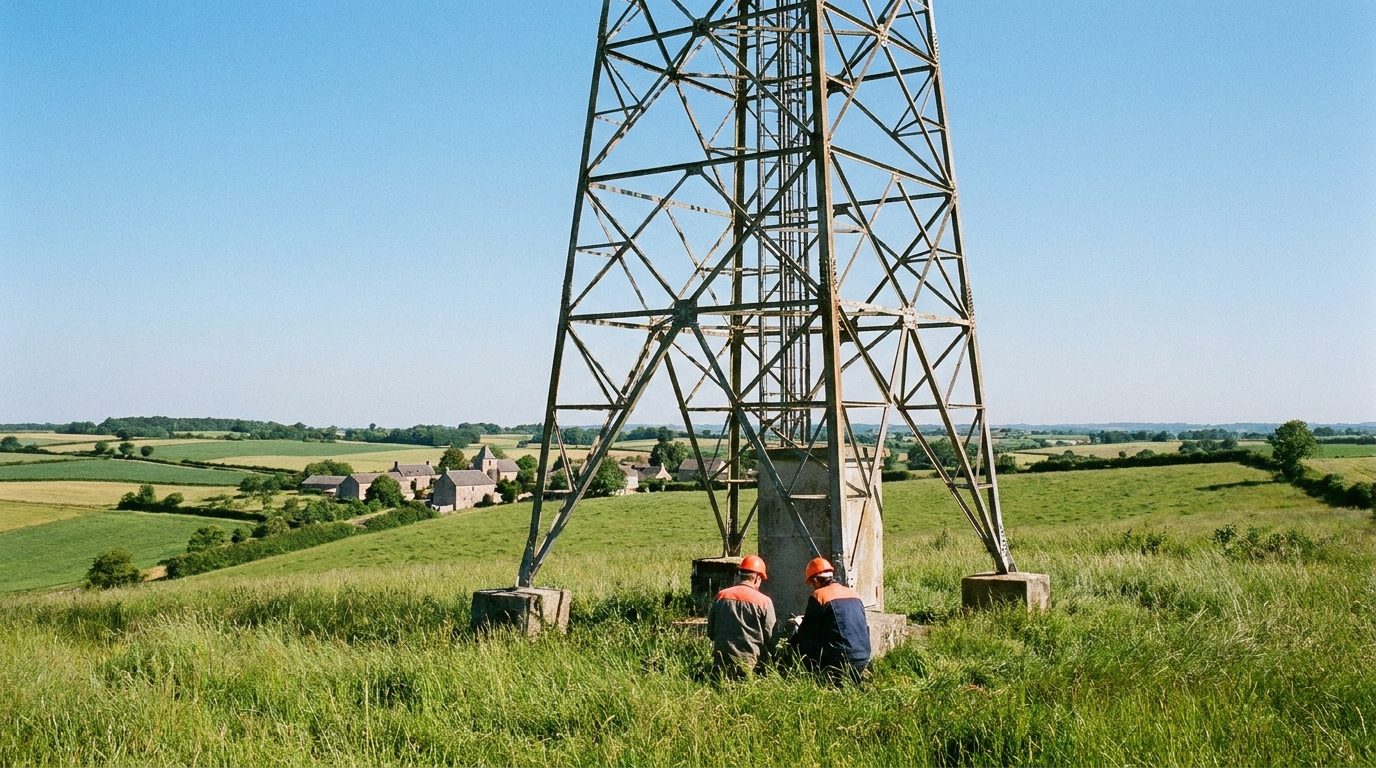
Away from the motorways, reception of national stations improves in several local areas: Bayeux, Falaise and Alençon in Normandy; Montargis, Gien and Huismes in Centre-Val de Loire; Nevers and Cosne-sur-Loire in Bourgogne-Franche-Comté; Brive-la-Gaillarde in Nouvelle-Aquitaine; Lodève, Saint-Chély-d'Apcher and Lannemezan in Occitanie. Depending on the site, teams sometimes had to use heavy resources such as cranes or helicopter lifts.
Pascale Varnière, director of TDF's audiovisual business unit, describes this step as a continuation of the national DAB+ rollout and highlights broadcasters' commitment to digital radio.
What it means for online radio stations
An internet radio station is not carried on M1 or M2, which are reserved for licensed national services. Yet it is still affected. Every additional transmitter makes DAB+ more visible to car makers and receiver buyers, and increases competition inside the car, long the home turf of FM. A purely online broadcaster remains reachable in the car through connected systems and built-in apps, but the contest will be won on ease of access and stream quality.
A few practical steps:
- Look after mobile listening: offer a low-bitrate stream (HE-AAC, for example) that holds up where 4G weakens, precisely the areas where DAB+ is expanding.
- Be listed on the aggregators used in cars, so you appear alongside the big national stations.
- Keep an eye on local multiplexes: allocated area by area by the French regulator Arcom, they can host independent stations. An online station with a strong local identity should follow these calls.
A rollout gathering pace
This switch-on is part of the national DAB+ deployment plan and comes as announcements multiply: Radio France also presented new transmitters for its own services at the end of October. Comparable to digital terrestrial television, DAB+ offers free listening in digital sound, enriched with information and visuals linked to programmes, alongside FM.
It does not replace online listening, but it changes its context. Listeners will have more and more free options in their cars. To make them choose an internet station over a national broadcaster, they will need a clear reason: programming they cannot find elsewhere, a strong identity and one-tap access.
Source: TDF