
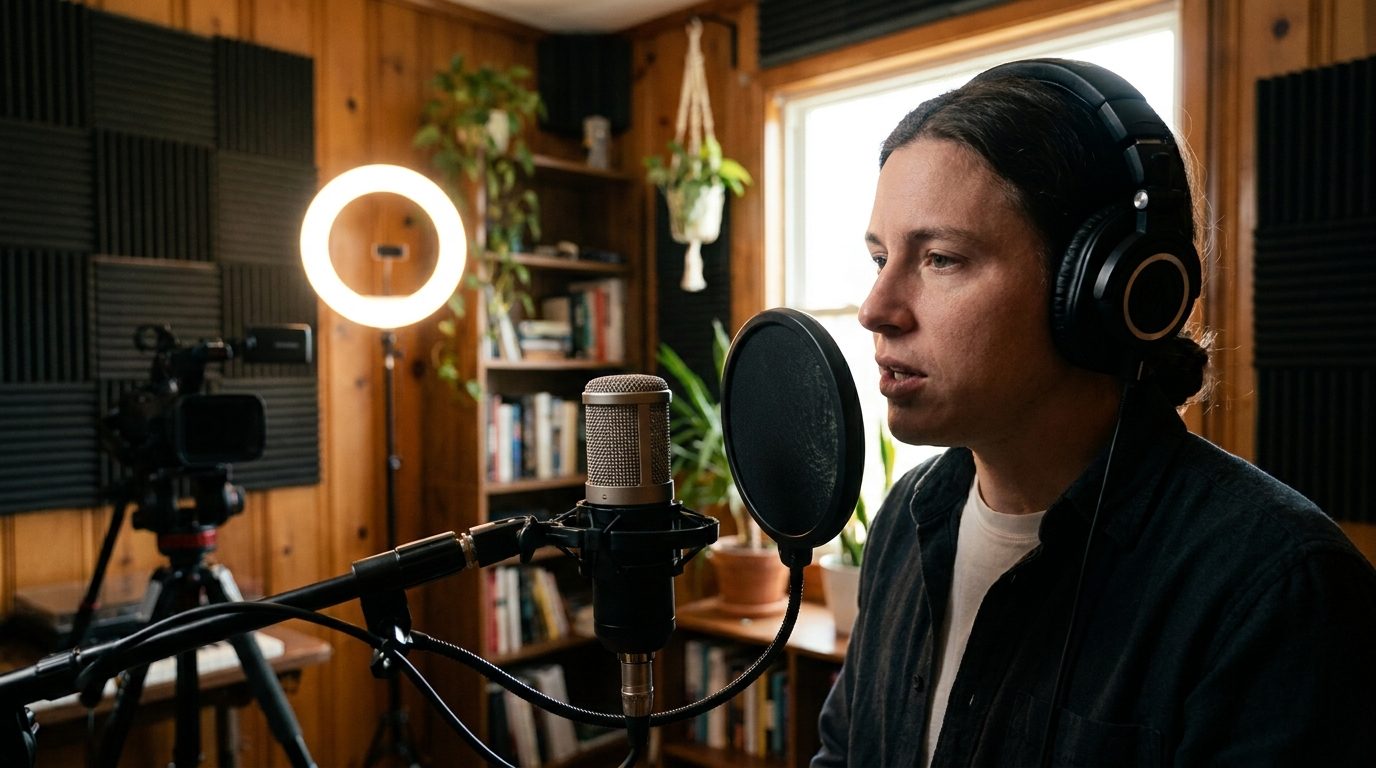
Specialist sales house Acast has released the French edition of its annual Podcast Pulse 2026 study. Conducted among 300 people aged 16 to 64, it highlights a striking result: podcast creators may now be the influencers the French public trusts most. This shift directly concerns web radio hosts and broadcasters, whose work also relies on a personal relationship with the listener.
Trust is clearly on the rise
According to the survey, 48% of French people say they trust podcasters' recommendations, up ten points on 2025. That score puts them ahead of journalists, YouTubers and influencers. The persuasive effect appears to be real: 86% of weekly listeners say they have already changed their mind on a topic after listening to a podcast.
The format also enjoys an image of authenticity. 58% of respondents see it as one of the last media spaces that still feels authentic and human. For Greg Glenday, CEO of Acast, audiences do not think in terms of platforms or formats; they attach themselves to a creator and follow them wherever they go.
Audio and video are no longer at odds
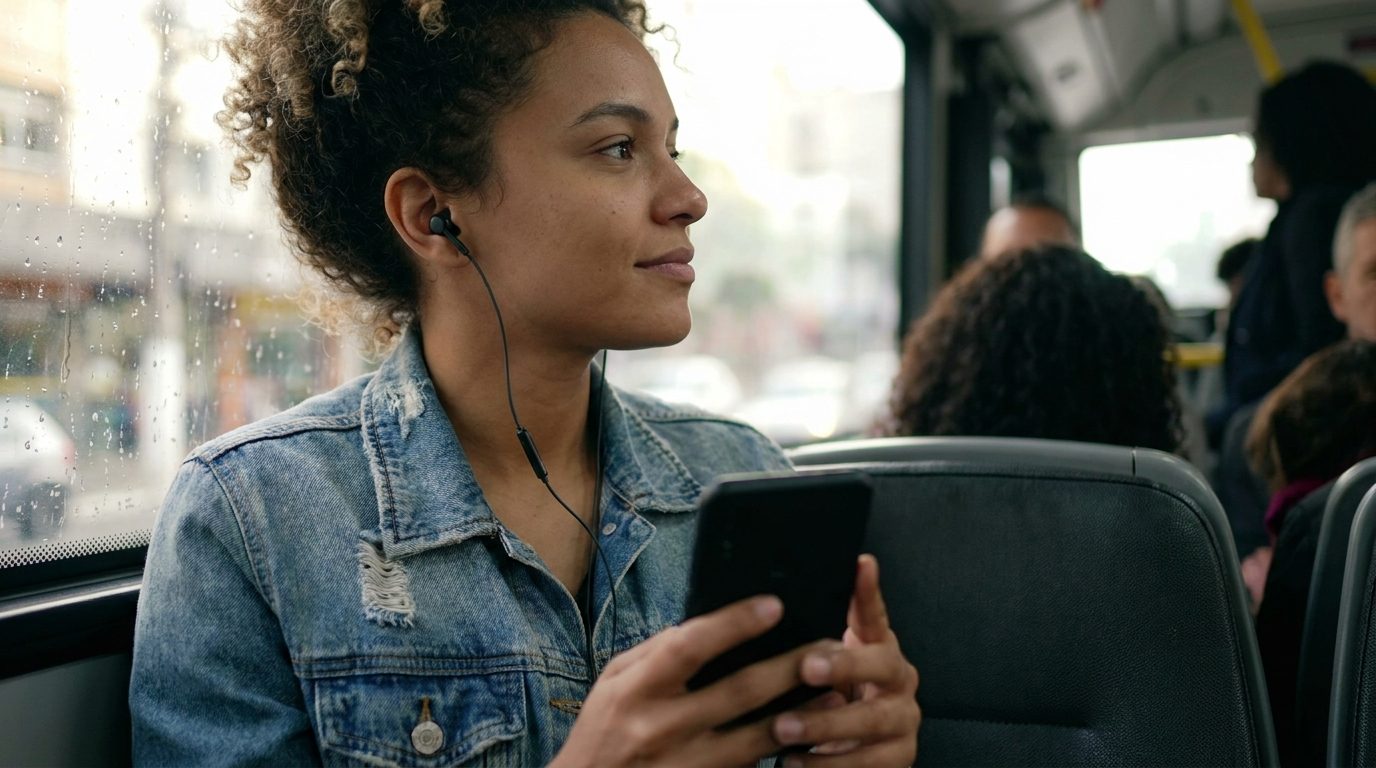
The study confirms that the line between listening and watching is fading. 82% of French people consume both audio and video, and 78% have already started an episode in one format before finishing it in another. Social media acts as the common thread: nine out of ten people follow their favourite podcasters on these platforms.
Acast identifies four listening moments with different behaviours:
- The Companion: commuting, sport or housework, a moment of direct, screen-free engagement.
- Relaxation: a time when screens and video take over.
- The Scroll: on social media, clips act as a gateway, since 63% of those who watch them end up listening to the full episode.
- Live: 51% of people who attend a live recording feel the experience strengthens their bond with the creator.
A strong argument for advertisers
The study also puts figures on the value of campaigns that combine several formats. Exposure to a video followed by an audio reminder reportedly generates 51% more purchase intent than a single-format campaign. Repeating the message across different formats would double purchase intent and quadruple brand recall, without causing fatigue. 88% of respondents consider this approach more effective and more legitimate.
What it means for web radio stations
Although the study focuses on podcasting, its conclusions largely apply to online radio. Trust is built around people, not distribution pipes. Several lessons can guide broadcasters:
- Showcase your on-air voices: hosts and contributors are a web radio station's main asset and should be promoted on every channel.
- Extend the live stream into podcasts and video: cutting the best segments helps capture the "Scroll" audience and bring it back to the stream.
- Organise live events: outside broadcasts or filmed live shows strengthen closeness with the community.
- Offer combined advertising packages: pairing an audio spot with a video version and a social media presence matches the advertiser expectations described in the study.
For an independent web radio station, the size of the audience matters less than the quality of the relationship. Acast's study is a reminder that this relationship, when it is sincere and followed across several formats, becomes a real editorial and commercial asset.
Source: The Media Leader FR