
How can a radio station still stand out when streaming platforms and social networks drive so much of what becomes popular in music? That question ran through a masterclass on music scheduling held at the Fabbrica del Vapore as part of Milano Music Week. The speakers' message was clear: copying the same recipes as everyone else leads nowhere, and a station's value lies first and foremost in its human choices.
A masterclass bridging editorial and technology
The session was hosted by Radio Speaker as a "Masterclass in Programmazione Musicale", moderated by Adriano Matteo. Three complementary speakers took the floor: Giorgio D'Ecclesia, CEO of Radio Speaker, Gabriele Bellotti of BV Media, and radio consultant Umberto Labozzetta. The aim was to bring together the editorial vision and the technical tools that, combined, shape a station's sound identity.
Giorgio D'Ecclesia opened by reviewing the main radio formats, from CHR (contemporary hit radio) to the models most common in Italy. He stressed one point: the musical structure a station adopts is not a mere technical detail, it directly determines its positioning and how easily listeners recognise it.
Software organises, it does not decide
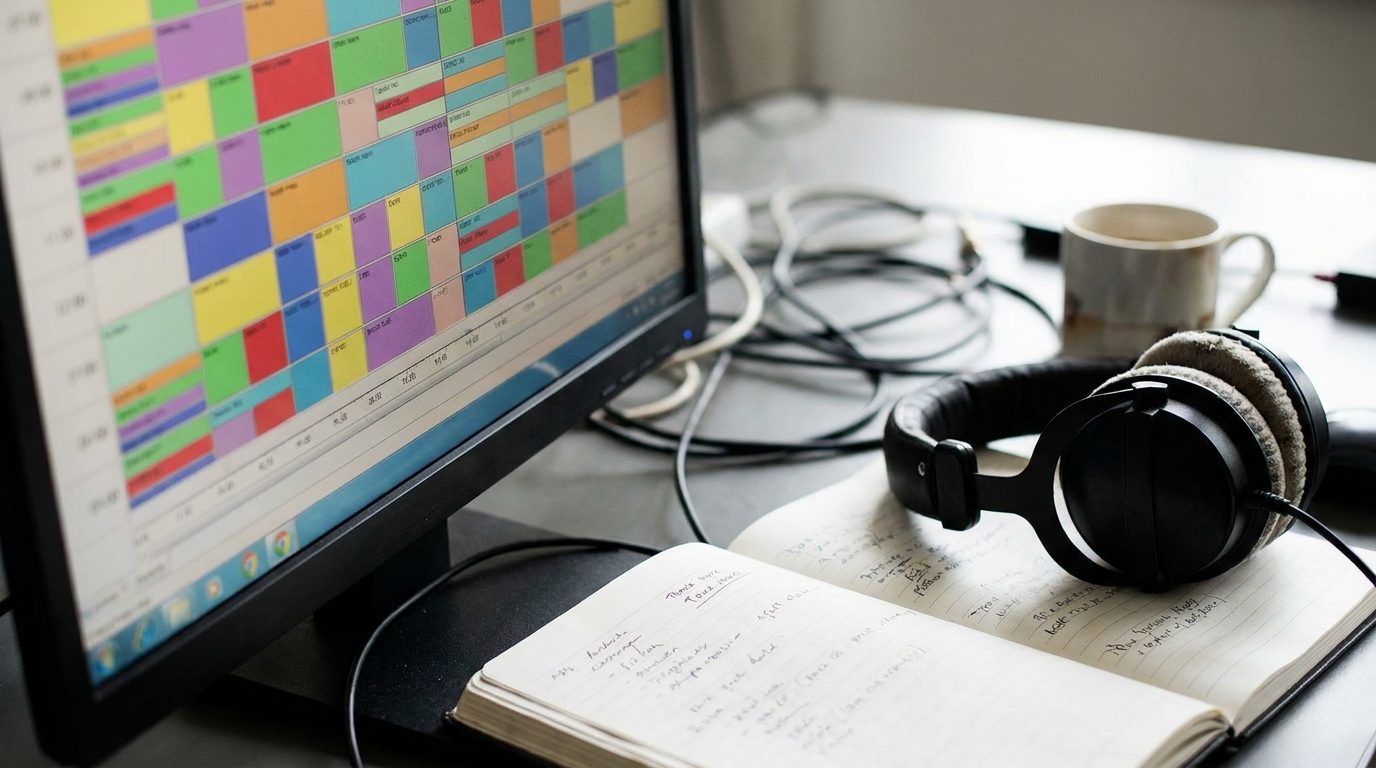
Gabriele Bellotti then explained how music scheduling software works. These tools make it possible to build and run a station's "clock" with precision, that is the template for an hour of airtime, sequencing songs and the other elements that make up the schedule: jingles, imaging, talk breaks and commercials.
Such solutions bring rigour and consistency. But the rest of the discussion showed that a well-configured tool is not enough to create an identity: everything depends on the rules it is given.
Breaking out of the "golden cage"
Umberto Labozzetta closed with the most critical contribution. In his view, stations risk locking themselves into a kind of "golden cage" by reproducing musical models that are too similar to one another. Drawing in particular on signals from the latest Audiradio audience surveys, he highlighted the danger of programming that duplicates the same clocks and relies solely on songs already proven on social media.
For the consultant, what sets radio apart is still its ability to make human choices and offer discoveries. It is not just about reassuring listeners with songs they already know, but about leading them towards artists and tracks they would not necessarily have looked for on their own. Faced with algorithms that recommend content based on preferences already expressed, radio can still stand out by knowing how to surprise.
What it means for online radio stations
This Italian debate speaks directly to online radio operators, who often use the same automation software and the same trend sources as major broadcasters. A few takeaways emerge:
- Define a clear format: listeners should understand within minutes what the station offers. Choosing a format is a positioning decision, not a default setting.
- Use automation as a framework: the clock ensures consistency, but rotation rules must leave real room for new releases and less-exposed tracks.
- Do not follow social charts alone: a playlist modelled on viral hits will sound like dozens of other streams and like the platforms themselves.
- Embrace curation: discovery slots, emerging artists and selections introduced by a presenter or music programmer give listeners a reason to come back.
For an online station sitting in the same directories as thousands of other streams and automatically generated playlists, this ability to surprise is probably the hardest asset to copy.
Source: FM-world