
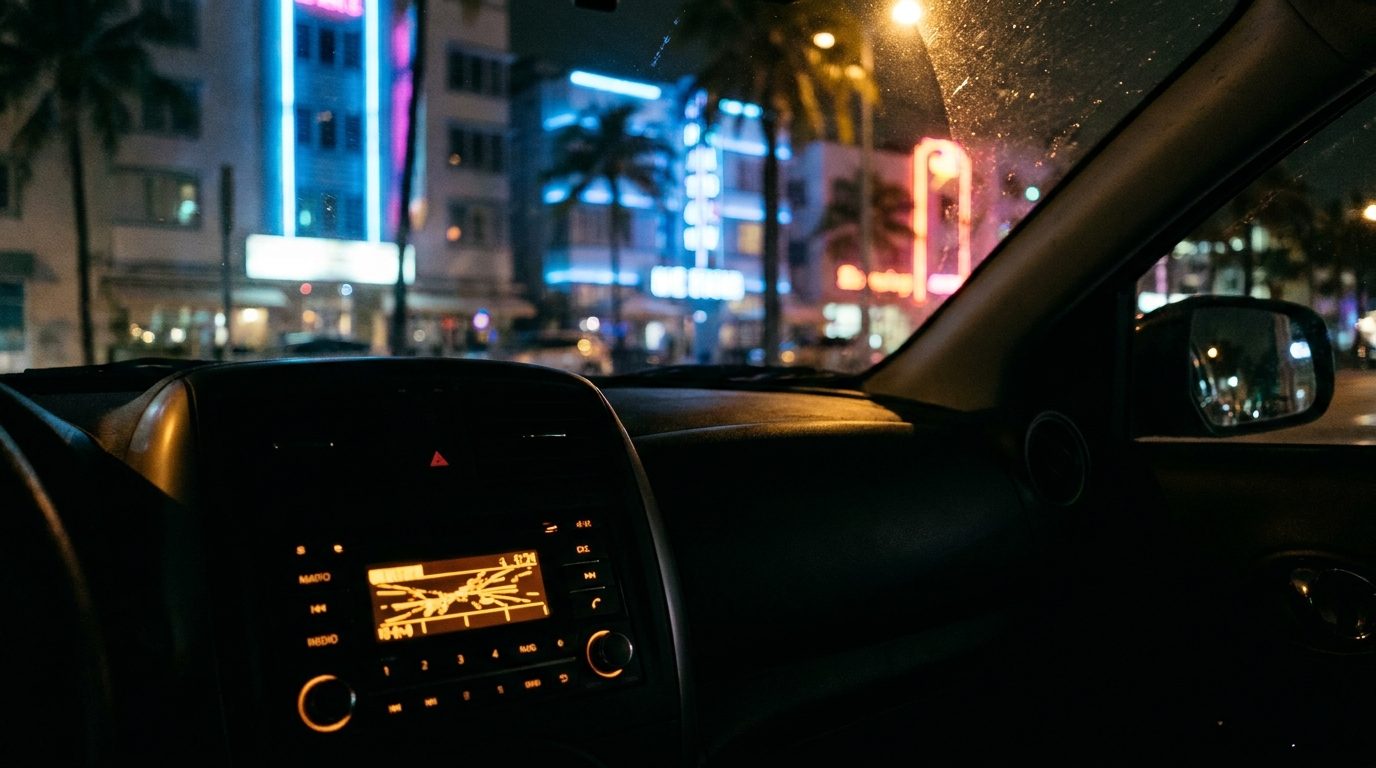
Released on November 19, 2026, Grand Theft Auto VI is shaping up as one of the biggest launches in entertainment history. A business professor quoted by the New York Times even described it as the biggest release of entertainment intellectual property of all time. Amid the buzz, one detail matters directly to the audio world: like earlier instalments, the game features a whole lineup of fictional radio stations, which play an ever larger role in its universe.
A full bouquet of stations at the heart of the game
Players can switch on the radio while driving, but also at home. The offer covers a wide range of formats: Vice City FM for a full-on 1980s mood, Emotion 98.3 for soft rock (Roxette, Phil Collins), plus Dirty South rap, rock, metal, EDM, indie, reggaeton and comedy-driven talk stations. The character reportedly wears wireless earbuds at all times to listen to music and podcasts on foot, a feature the author of the source article says he had not yet tried.
For the industry, this goes beyond trivia: with each new instalment, the game's music syncs carry more weight. In Australia, Lizzie Young, chief executive of the organisation representing commercial broadcasters, has described GTA VI as an advertisement for the power of radio and radio advertising.
A programmer's ear on Flash FM
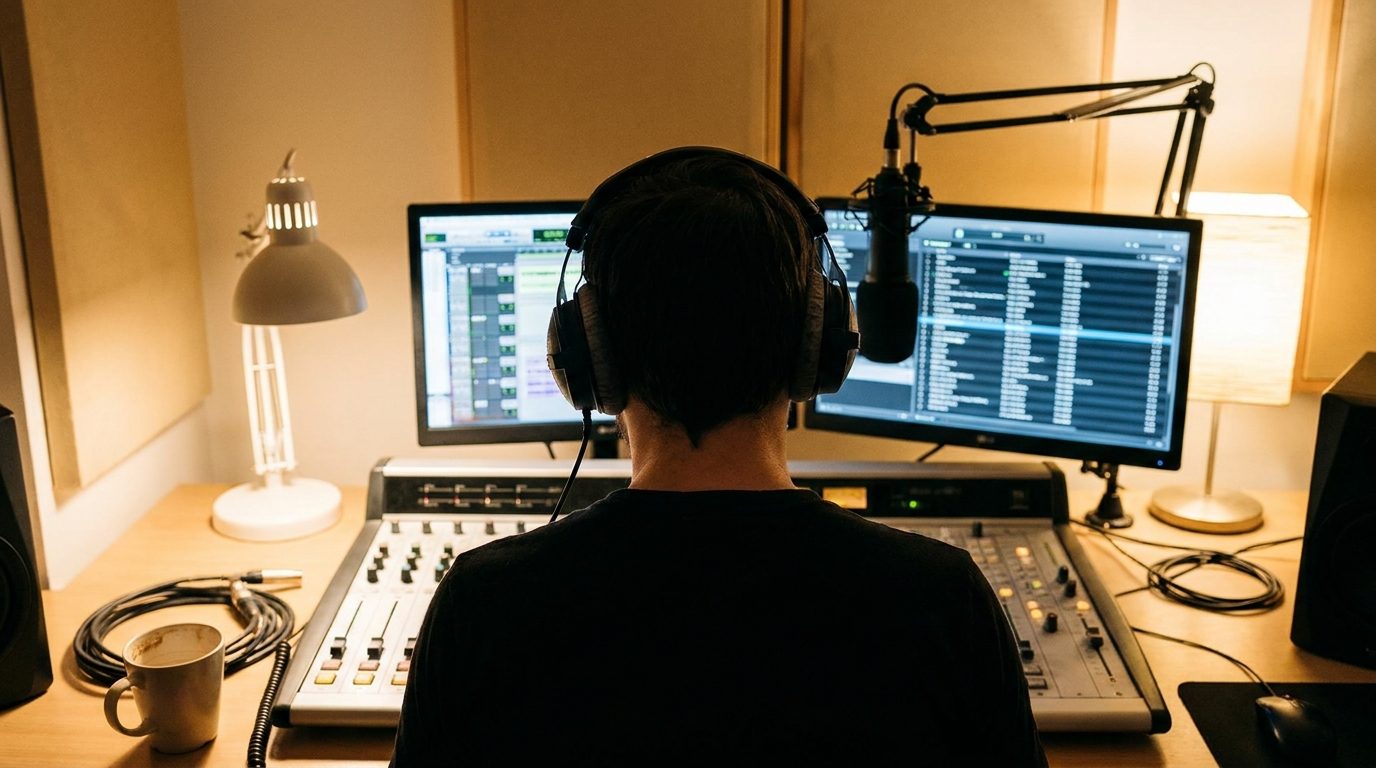
US trade site RadioInsight handed the task to Matt Kelly, program director and afternoon host at WVAQ, a heritage CHR station in Morgantown, West Virginia. He focused on Flash FM, the game's pop station. Within a few minutes he heard well-established tracks such as La Roux's "Bulletproof", Olivia Rodrigo's "Good 4 U", Lorde's "Green Light" and Sia's "Cheap Thrills", alongside Katseye's "Gabriela" and Zara Larsson's "Midnight Sun".
What struck him most were the songs that are not current radio hits yet fit naturally into the flow: Charli XCX's "Good Ones", which he feels pop radio unfairly passed over, MGMT's "Electric Feel", Sam Fender's "People Watching" and Kenya Grace's "Mr. Cool". A few older throwbacks, such as Robyn's "Show Me Love" and Mandy Moore's "Candy", round out the mix.
A station you listen to in one sitting
The programmer's verdict comes down to one idea: Flash FM "flows". The transitions work from one song to the next, so much so that he says he stayed tuned through the commercial breaks. He also notes that the game's publisher, Rockstar, builds its soundtracks around the spirit of the game, with many songs about love, drugs and a carefree attitude. The station's imaging voice is Matt Fogarty. His conclusion: there is still room for radio as a tastemaker, able to mix the biggest current hits with songs that deserve a place on the playlist, and to blend present and past with a light touch.
What it means for internet radio stations
For an internet radio station, the GTA VI example is instructive in several ways:
- Curation remains an asset: compared with automatically generated playlists, a selection that dares to play forgotten or lesser-known tracks builds an identity an algorithm struggles to copy.
- Flow matters as much as the songs: running order, transitions and imaging are what keep listeners tuned in, even during ads.
- A clear format appeals: the game's stations are sharply defined (1980s, soft rock, metal, reggaeton). Themed internet radio stations play on exactly that ground.
- Gamers are rediscovering the radio habit: millions of people will be switching between stations in the game. It is a chance to remind audiences, in your communication, that this experience exists for real, live, on the web and on smart speakers.
The success of GTA's virtual stations does not replace a real broadcast, but it shows that a well-programmed station with a strong personality remains an experience audiences enjoy.
Source: RadioInsight