
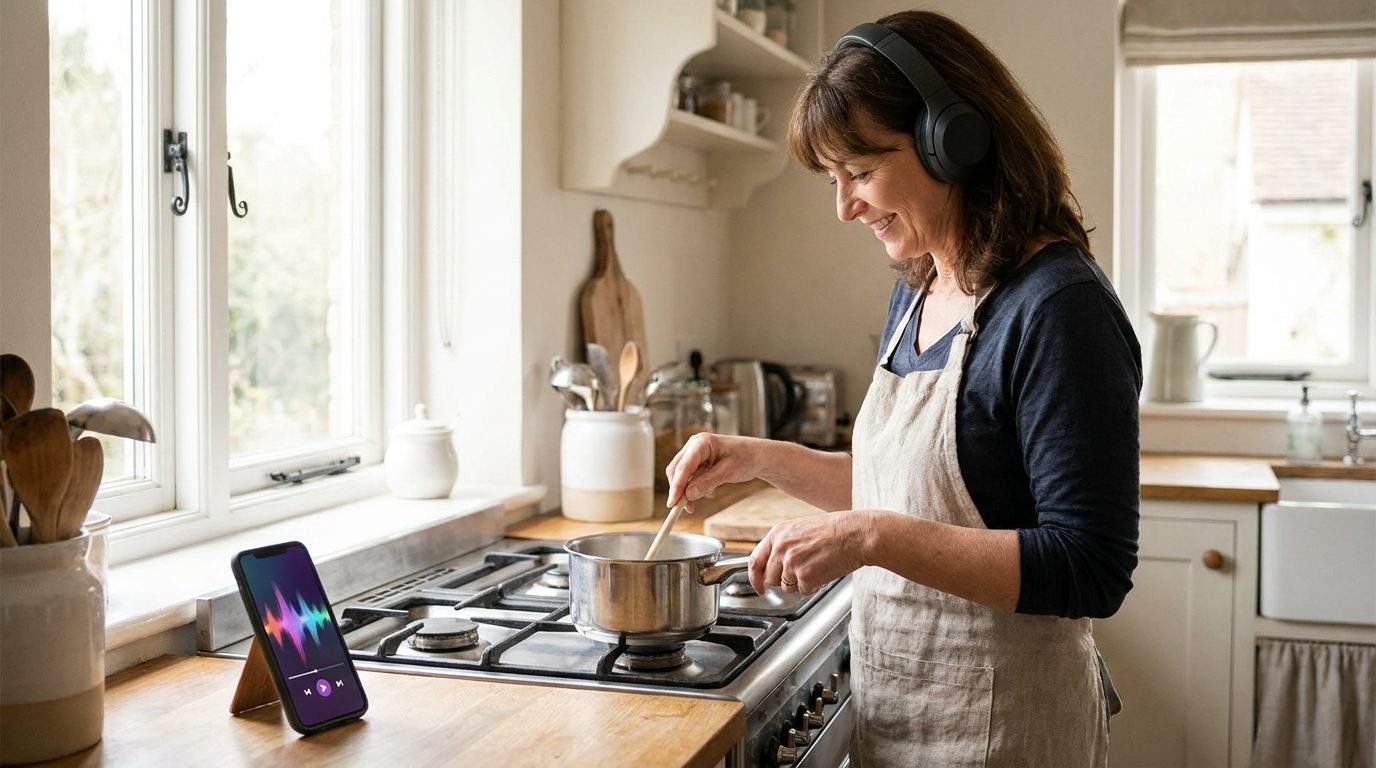
Online audio listening keeps gaining ground in Germany, including outside the big cities. The new regional report of the Online-Audio-Monitor 2026 for the state of Brandenburg, commissioned by the Berlin-Brandenburg media authority (mabb), shows a record high: 72.9% of residents aged 14 and over listen at least occasionally to music streaming, webradios, podcasts or other online audio content. That is 3.7 percentage points more than in 2024.
Women and the over-50s drive the increase
The sharpest growth comes from two groups long seen as less connected. The share of women using online audio rose by around eight points compared with 2024, and that of people over 50 by around seven points. Across all generations, music streaming, podcasts, and audiobooks and audio dramas have each grown by double digits since 2024.
Podcasts are becoming a habit: 27.3% of people aged 14 and over listen at least once a month, up from 24.4% two years earlier. Once again, women and the 50+ generation account for most of the growth. News programmes and knowledge and learning content are the most popular.
For mabb director Eva Flecken, this success comes down to how easily audio fits into everyday life, whether on the move, while exercising or at home. She also points out that podcasts, with their conversational format, offer a contemporary way to stay informed.
Smartphones dominate, connected TVs gain ground
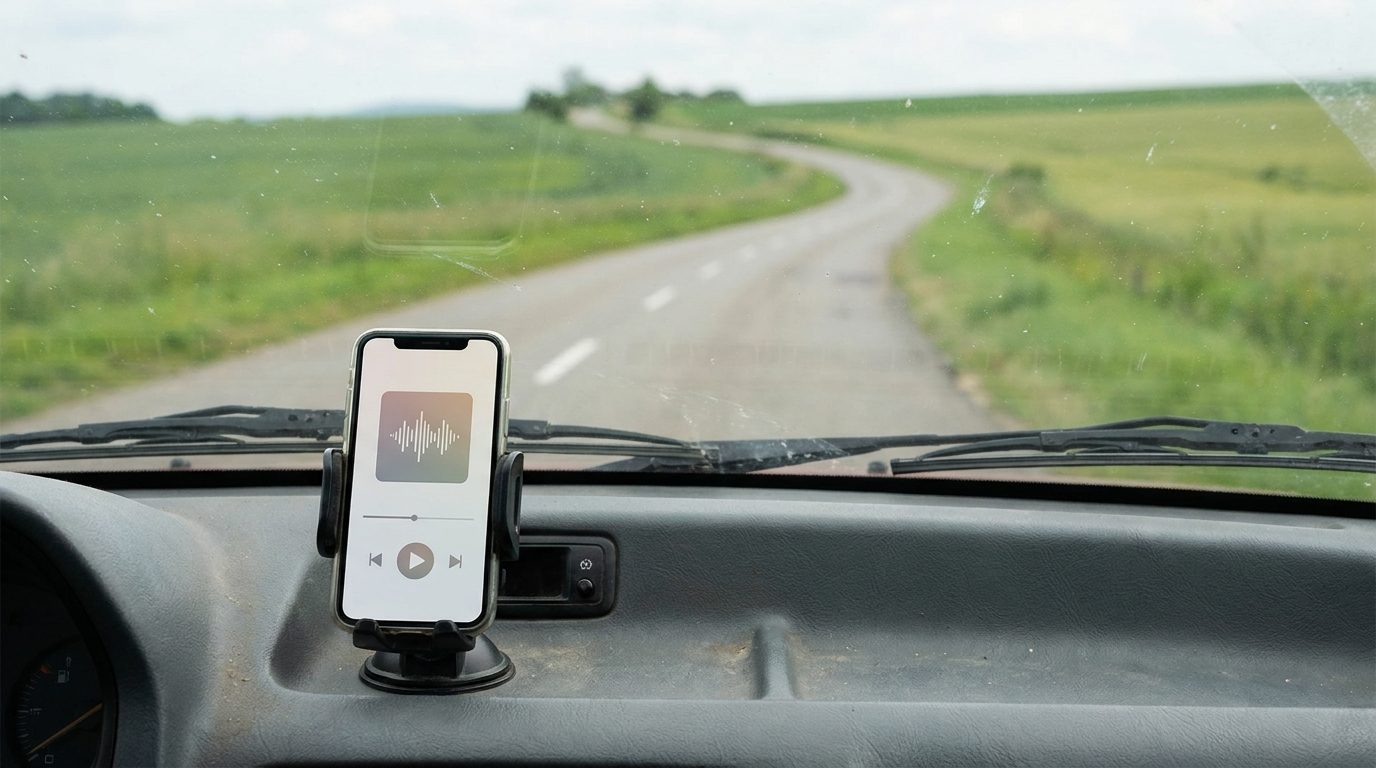
Around 85% of regular online audio listeners use a smartphone. Connected TVs come second, used by almost 40%. Listening happens everywhere: 90% of regular listeners tune in at home and around 84% on the go. Household chores and driving are among the most frequent listening moments. As for platforms, YouTube and Spotify are the most widely used in the state.
A benchmark study
Since 2018, the Online-Audio-Monitor has measured online audio use among people aged 14 and over in Germany on a representative basis. Conducted by mindline media, it is funded by several regional media authorities (BLM, mabb, LFK and the NRW media authority), the digital industry association BVDW, the private media association VAUNET and the sales house RMS. The Brandenburg report is based on a representative sample of 915 people surveyed between late April and early June 2026.
What it means for webradios
These regional figures confirm trends that matter to any online radio broadcaster:
- An older audience is arriving: the growth among the over-50s opens up opportunities for oldies, easy listening, jazz or news webradios that match their tastes.
- Mobile remains the gateway: a fast player, a lightweight app and a stream that copes with network changes are essential.
- Think big screen: with almost 40% listening via connected TVs, being available in apps and directories accessible from TV sets becomes a real lever.
- Bet on spoken content: the appetite for news and educational content argues for shows repurposed as podcasts, extending the life of what goes on air.
- Be where people search: the dominance of YouTube and Spotify is a reminder of the value of publishing clips or podcasts there to point listeners back to the live stream.
For a webradio, the lesson is clear: the potential audience is widening to older and more diverse listeners, provided the station is easy to find and easy to play on every screen of daily life.
Source: RADIOSZENE