

A rare reversal in Europe
Swiss public radio is heading back to the FM band. From Thursday 12 November 2026, SSR begins gradually reactivating its FM transmitters across the whole country. The goal is to cover around 80% of the territory again with its main stations in all four language regions, including the cultural channels of RSI, SRF and RTS.
The switch-on follows the shutdown of FM transmitters decided at the end of 2024. The Swiss Parliament later chose to allow broadcasting on ultra-short waves again, an option made final when the Federal Office of Communications (OFCOM) granted a new licence. SSR Director General Susanne Wille had described the vote as a clear mandate for the company, which was tasked with restoring the service, including through analogue technology.
A leaner network than before
FM is coming back, but on a smaller scale. The expected cost is around 6.5 million Swiss francs a year, compared with roughly 15 million previously needed to ensure full FM coverage. The frequencies used will largely be the same ones that were in service before the shutdown. The broadcast.ch portal shows the status of each transmitter, the available frequencies and the progress of the work.
For listeners who already tune in to SSR on DAB+ or online, nothing changes: the offer remains the same on both platforms.
What it changes for online radio stations
This U-turn offers several lessons that go well beyond Switzerland:
- The digital transition is not a straight line: even in a country that adopted DAB+ early, a political decision was enough to bring FM back. Switch-off schedules announced elsewhere could also be called into question.
- Multi-platform distribution remains the norm: SSR keeps DAB+ and streaming running alongside. For an online station, this confirms that internet listening works as a complementary channel, which must be as easy to reach as the car radio.
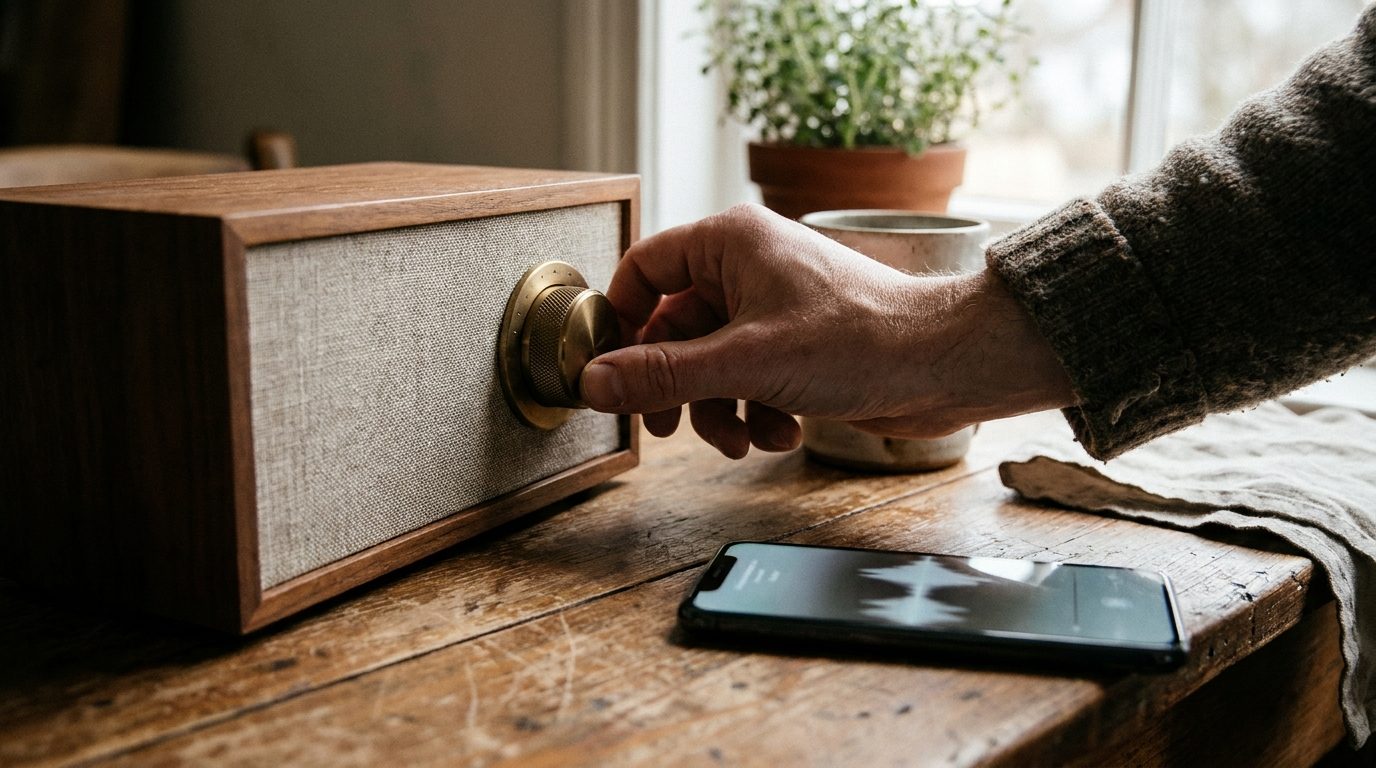
- Listening habits carry weight: the appeal of a simple gesture, switching on a set, is a reminder that an online stream needs to be wherever listeners already are: apps, directories, smart speakers and in-car infotainment systems.
The internet keeps its place
Paradoxically, FM's return does not shrink the role of the internet. Instead, it shows that no single platform is enough on its own. Stations that invest in a high-quality web stream, easy to find and available on every device, remain best placed to reach an audience that moves from one device to another without even thinking about it.
For broadcasters elsewhere, the Swiss example is also an invitation to keep a close eye on public decisions: in less than two years, a parliamentary vote reshaped the broadcasting landscape of an entire country. Anticipating such shifts, while keeping several ways into your programming, remains the safest strategy.
Source : FM-world